Navadurga vahana chart: the animal for each of the nine nights
| Day (2026) | Goddess | Vahana | What it stands for |
|---|---|---|---|
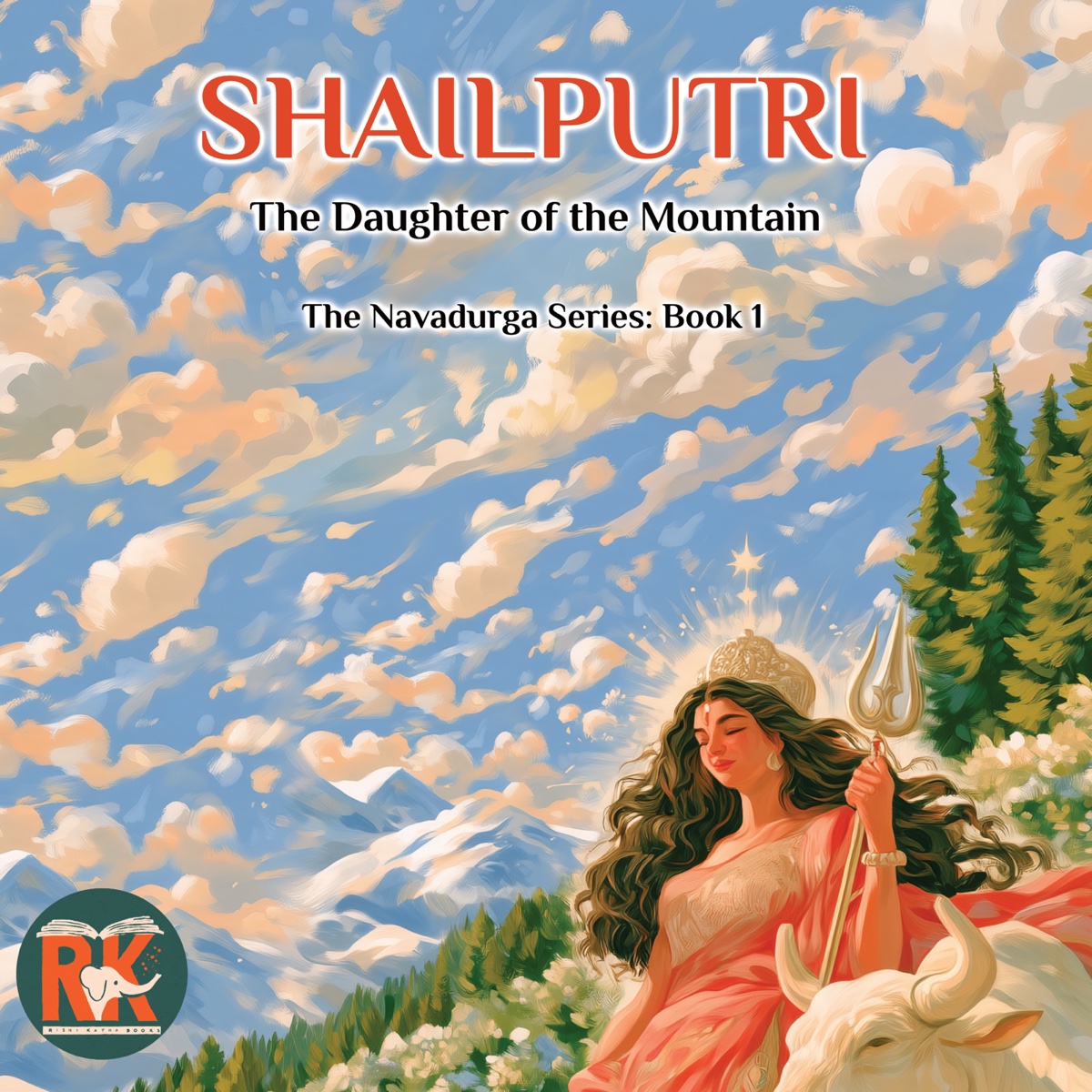
| 1 · 11 Oct | Shailputri | Bull (Nandi) | Steady, patient strength |
| 2 · 12 Oct | Brahmacharini | None; walks barefoot | Effort and determination |
| 3 · 13 Oct | Chandraghanta | Lion (a tiger in some depictions) | Courage that protects |
| 4 · 14 Oct | Kushmanda | Lion | Warm, fearless energy |
| 5 · 15 Oct | Skandamata | Lion; baby Skanda on her lap | Gentle strength of a mother |
| 6 · 16 Oct | Katyayani | Lion | Standing up to wrong |
| 7 · 17 Oct | Kalaratri | Donkey | Humility and fearlessness |
| 8 · 18 Oct | Mahagauri | White bull (a white elephant in some tellings) | Calm, purity, forgiveness |
| 9 · 19 Oct | Siddhidatri | Lotus seat (a lion in some depictions) | Wisdom and completion |
Dates follow the standard Sharad Navratri 2026 sequence. Some families follow a different panchang, so check yours.
What is a vahana and why does it matter?
A vahana is the animal a deity rides. It does two jobs in a story. It carries the goddess, and it shows a quality she has made her own. A lion is courage; a bull is steady dharma; a lotus is calm and purity. When a child asks "why that animal?", the real question is "what is she like?", and the vahana is the short answer.
What patterns can children spot in the chart?
- Four lions in a row. From Day 3 to Day 6 the Goddess rides a lion every night. These are the nights of courage, creation, motherhood and battle.
- It starts and ends calm. Day 1 is a bull, Day 9 is a lotus. The festival begins in steadiness and ends in peace.
- The odd ones out are the most interesting. Brahmacharini needs no ride, and Kalaratri rides a donkey. Both give children a good conversation.
Why does Brahmacharini have no vahana?
Brahmacharini is the goddess of tapasya, patient effort. In her story, Parvati leaves her palace and walks into the forest, determined to win Lord Shiva's heart through years of effort. She goes on foot, barefoot, holding a rosary (japa mala) and a water pot (kamandalu). For a child: "Some things you can't ride to. You have to walk there, one day at a time."
Which depictions differ?
Temples and artists across India picture the same goddess in slightly different ways. Mahagauri is most often on a white bull, but some tellings give her a white elephant. Chandraghanta's lion is a tiger in some pictures. Siddhidatri is usually on a lotus; some images add a lion. None of these is wrong. If your family tells it another way, that is the right way for your family.
Read the stories behind the animals
Each goddess in the Navadurga Series has her own picture book, so a child can see the vahana in the pictures and hear why it is there. Books 1–6 (Shailputri, Brahmacharini, Chandraghanta, Kushmanda, Skandamata and Katyayani) are available now, and the remaining three are coming. Start with Shailputri and her bull, or see all nine forms in our guide to the Navadurga.
Frequently asked questions
What is a vahana?
A vahana (वाहन) is the animal or vehicle a deity rides. It is also a symbol: the animal shows a quality that the deity has mastered or stands for.
Which Navadurga goddess rides a donkey?
Kalaratri, the seventh form of Durga, rides a donkey (gardabha).
Which Navadurga goddess has no vahana?
Brahmacharini, the second form, is usually shown walking barefoot with a rosary and a water pot. She is the goddess of tapasya (patient effort), so she goes on foot.
Do all nine forms of Durga ride a lion?
No. Four of them — Chandraghanta, Kushmanda, Skandamata and Katyayani — ride a lion. Shailputri and Mahagauri ride a bull, Kalaratri a donkey, Siddhidatri sits on a lotus, and Brahmacharini walks.